
Himachal Pradesh is one of the most beautiful places to visit in India. It has snow-capped mountains, beautiful valleys, and quiet hill stations. These top tourist spots in Himachal Pradesh have something for everyone, whether you want to have fun or relax. Here we talk about:- Shimla, Manali , Dharamshala, Dalhousie, Spit valley.
If you want to understand Himachal Pradesh in “human words,” think of it as a place where the mountains aren’t just scenery—they are a way of life. It’s a state in Northern India where the air is thinner, the water is colder, and the people are famously warm.
1. Shimla, the Queen of Hills
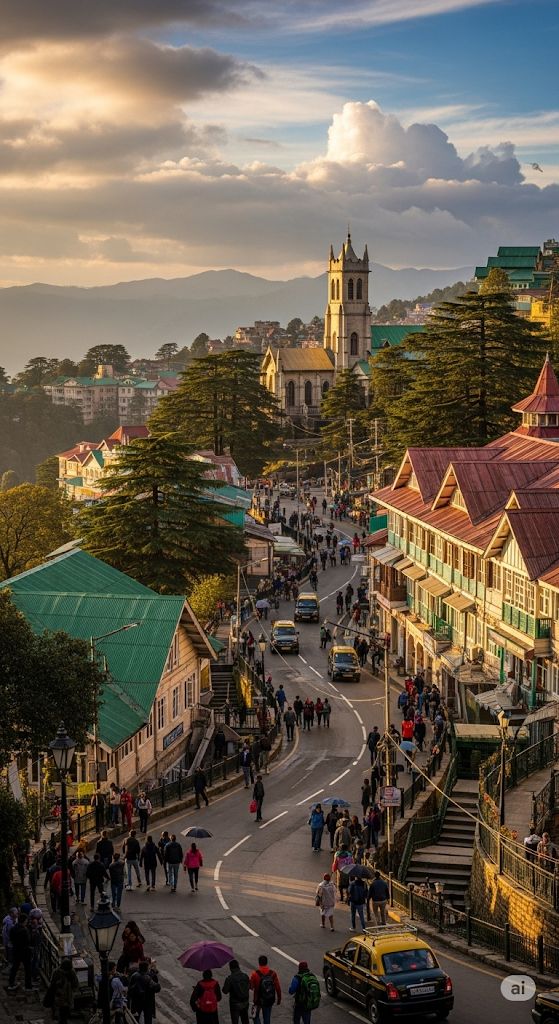
Shimla is essentially the “Queen of Hill Stations” in India, sitting high up in the Himalayas at over 7,000 feet. It’s got a very specific vibe—half cozy mountain town, half historical time capsule.
Here is a breakdown of what makes it special:
1. The “British Capital” Vibe
Back in the 1800s, the British hated the Indian summer heat so much that they moved their entire government to Shimla every year. Because of that, the town is filled with colonial-era buildings like the Viceregal Lodge (which looks like a castle from a Harry Potter movie) and the yellow Christ Church that you see in almost every postcard.
2. The Famous “Toy Train”
One of the coolest ways to get there is the Kalka-Shimla Railway. It’s a UNESCO World Heritage site. It’s a tiny train that chugs through 102 tunnels and over 800 bridges. It’s slow, but the views of the pine forests and valleys are unbeatable.
3. Life at The Ridge and Mall Road
The heart of the town is The Ridge, a huge open space where people just hang out, take photos, and look at the mountains. Right next to it is Mall Road, a long street full of shops and cafes. A fun rule: no cars are allowed here, so you can walk around without worrying about traffic.
4. The Giant Monkey Temple
If you look up from the town, you’ll see a massive 108-foot orange statue of Lord Hanuman poking through the trees. That’s Jakhoo Temple. You can hike up there (or take a ropeway), but watch your glasses and snacks—the monkeys there are notorious for being world-class thieves!
5. Best Times to Go
- Summer (March to June): Perfect if you want to escape the heat and enjoy pleasant weather.
- Winter (December to February): Go then if you want to see snow. The town turns into a white wonderland, and they even have a natural Ice Skating Carnival.
A little tip: If you visit, try the local Pahari food and check out the wooden handicrafts at Lakkar Bazar. It’s a great place to pick up a souvenir that isn’t just a generic keychain.
Shimla tourist spots are known for their colonial charm and beautiful views. It is one of the most popular hill stations in India.
Kufri Mall Road Jakhu Temple
Shimla is famous for its beautiful scenery, trekking, and skiing.
2. Manali—The Place for Adventure
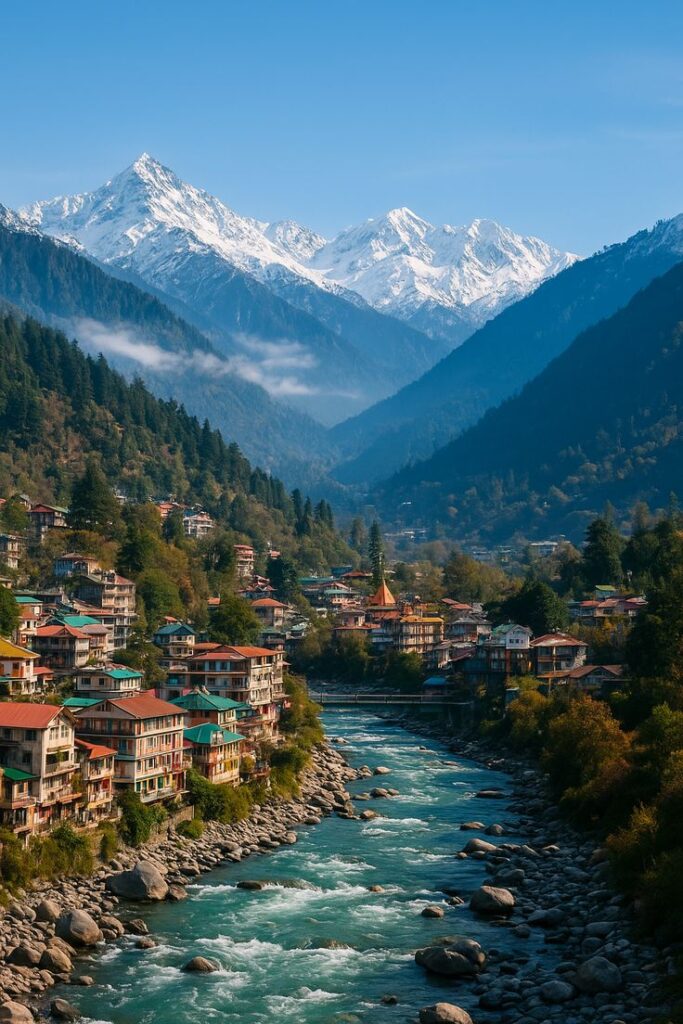
Manali is basically the “cool older sibling” of Shimla. While Shimla feels a bit more formal and historic, Manali is where you go for adventure, backpacker vibes, and some of the most stunning high-altitude scenery in India.
Here’s the lowdown on Manali:
1. The Adventure Capital
If you’re the type who can’t sit still, Manali is your playground. It’s the gateway to the mountains.
- Solang Valley: This is the go-to spot for paragliding, zorbing (rolling down a hill in a giant plastic ball), and skiing in the winter.
- Rohtang Pass: About 51 km away, this is where you go to find snow even in the middle of summer. It’s a high mountain pass that connects the Kullu Valley to the Lahaul and Spiti Valleys.
2. Old Manali vs. New Manali
The town has two very different personalities:
- New Manali: This is the bustling center. It’s got the Mall Road, which is packed with tourists, local markets, and colorful woolen shops.
- Old Manali: Cross the bridge over the Beas River and you’re in a different world. It’s much chillier—think hippie cafes, guesthouses, narrow winding lanes, and the smell of cedar trees. It’s way more relaxed and artistic.
3. Spiritual Stops
It’s not all adrenaline; there’s a deep spiritual side here too:
- Hadimba Devi Temple: This is a 16th-century wooden temple hidden inside a cedar forest. It’s dedicated to Hadimba (from the Mahabharata) and looks like a four-story pagoda.
- Vashisht Temples: Famous for their natural hot springs. There’s something magical about sitting in hot sulfur water while the mountain air is freezing around you.
4. The Beas River
The river is the lifeblood of the town. You’ll hear it roaring almost everywhere you go. It’s popular for river rafting, but even just sitting on a boulder by the water with a bowl of Maggi (the unofficial national snack of Indian hill stations) is an elite experience.
5. When to Visit
- For the Snow: Head there between December and February. The whole town turns into a giant snow globe.
- For the Flowers: Go in May and June. The apple orchards are in full bloom, and the weather is perfect for trekking.
- For the Quiet: Try September or October just after the monsoon when everything is impossibly green and the crowds have thinned out.
Pro-tip: If you have the time, drive through the Atal Tunnel. It’s a modern engineering marvel that takes you from the green forests of Manali to the desert-like mountains of Lahaul in just a few minutes. It feels like teleporting to another planet
People come to Manali to see the snow, go on adventures, and enjoy nature.
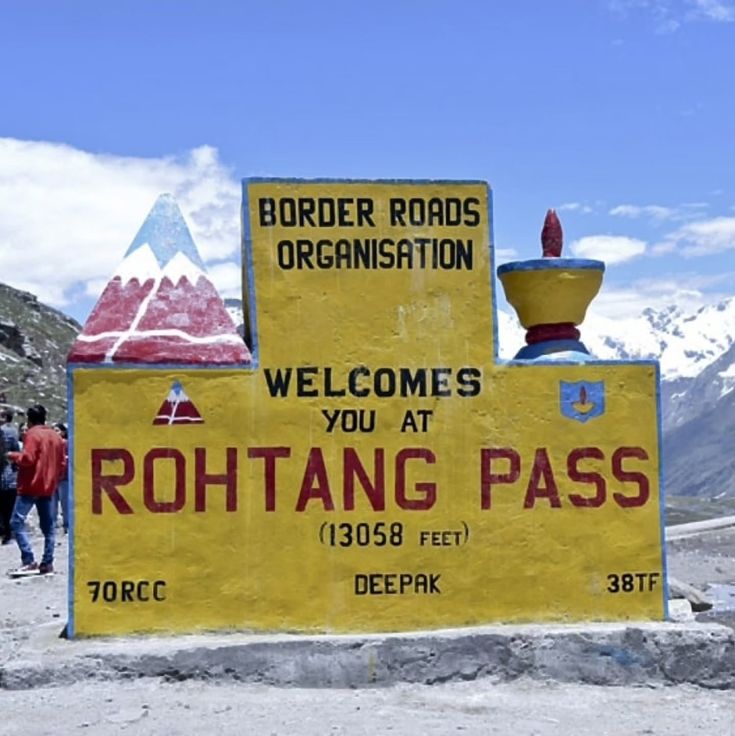
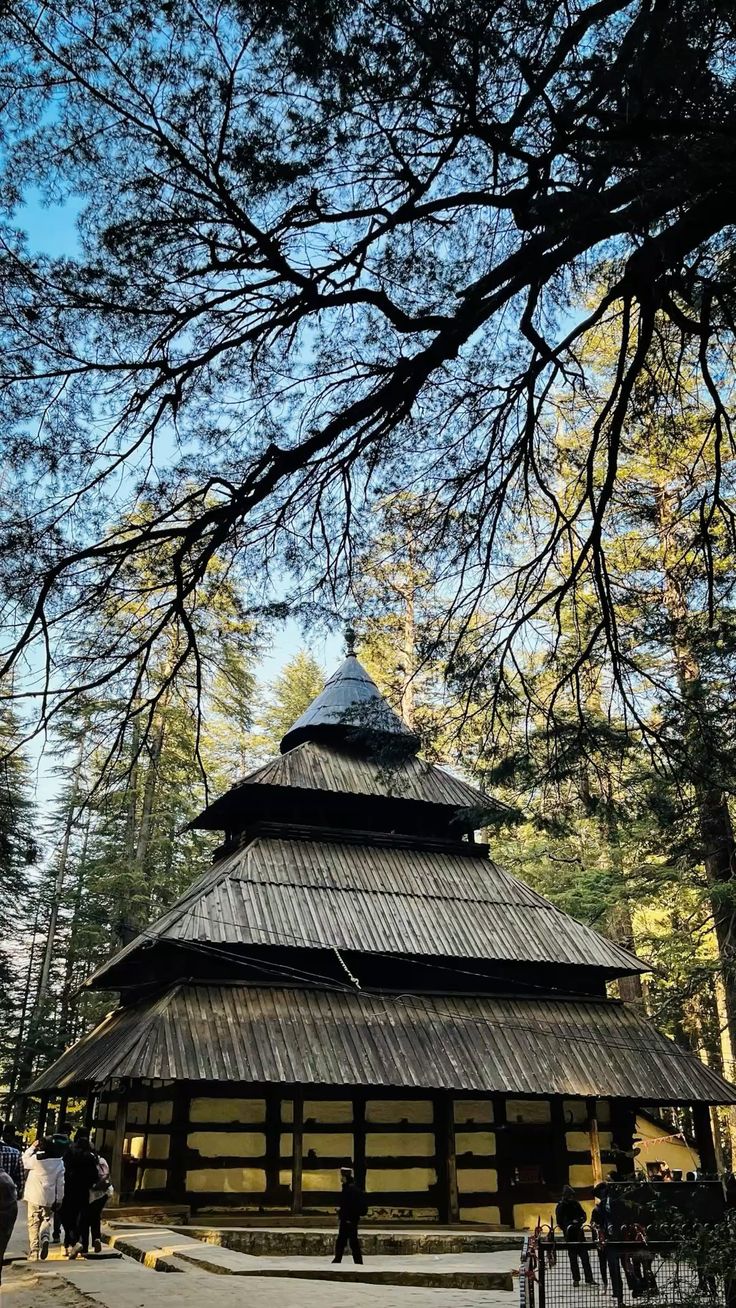
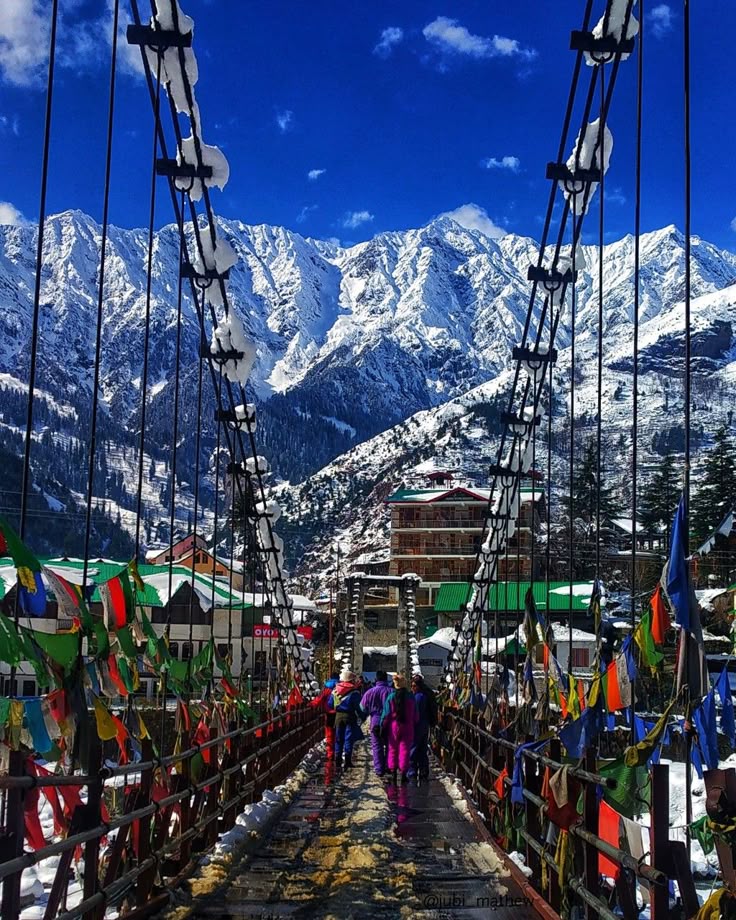
Rohtang Pass, Solang Valley, and Hidimba Temple
Manali is known for adventure sports like skiing, paragliding, and rafting.
3. Dharamshala is a peaceful and spiritual place to visit.
Dharamshala is one of those rare places that manages to feel like both a quiet sanctuary and a vibrant cultural crossroads. Tucked away in the upper reaches of the Kangoo Valley in Himachal Pradesh, it’s far more than just a “hill station.”
Here is the lowdown on why people fall in love with it, in plain human terms:
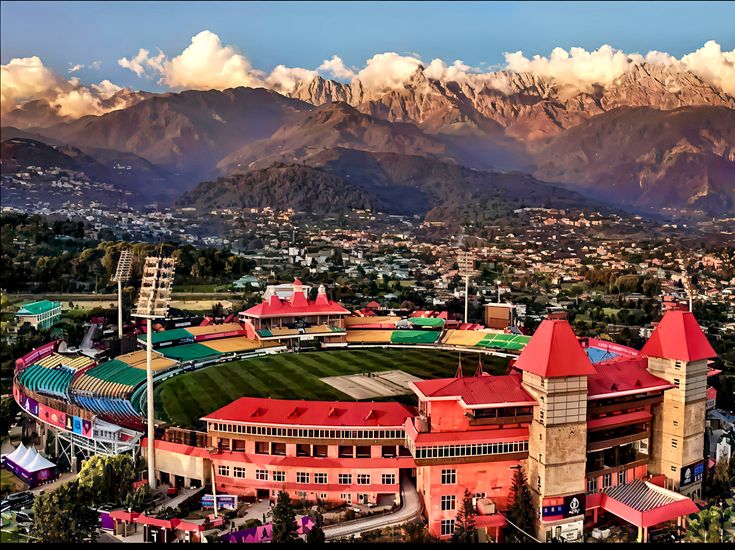
The Two Sides of the Coin
Dharamshala is actually split into two distinct areas that feel like different worlds:
- Lower Dharamshala: This is the bustling commercial hub. It’s where you’ll find the markets, the famous HPCA Cricket Stadium (arguably the most beautiful ground in the world), and the everyday rhythm of local Himachali life.
- McLeod Ganj (Upper Dharamshala): About 9km uphill, this is the “Little Lhasa.” It’s the home of the Dalai Lama and the Tibetan government-in-exile. The air here is thick with the scent of incense, the sound of chanting, and the sight of maroon-robed monks.
The Spiritual Vibe
It isn’t just “touristy” spiritual; it’s deeply felt. You can walk the Kora (a ritual prayer path) around the Dalai Lama’s temple complex, where locals spin prayer wheels and mutter mantras. Even if you aren’t religious, there is a profound sense of peace that hits you when you’re sitting in a quiet monastery overlooking the cedar forests.
The “Backpacker” Soul
Places like Dharamkot and Bhagsunag (just above McLeod Ganj) are magnets for travelers from all over the world.
- Food: You’ll find some of the best momos and thukpa of your life, but also incredible Israeli shakshuka and authentic Italian wood-fired pizzas.
- Slow Living: It’s a place where people go for a weekend and end up staying for a month to learn yoga, pottery, or meditation.
The Mountains (The Dhauladhars)
The backdrop of the city is the Dhauladhar mountain range. These mountains look like a giant grey wall capped with permanent snow.
- If you’re feeling active, the trek to Triund is the “rite of passage” here. It’s a steep climb, but standing on that ridge at night under a blanket of stars with the peaks staring you in the face is something you never forget.
The Weather
It’s temperamental. Dharamshala is known for receiving some of the highest rainfall in the state. One minute it’s sunny, and the next, a heavy mist rolls in from the valley, swallowing the trees and making everything look like a scene from a fantasy novel.
The takeaway: Dharamshala is where you go when you want to disappear for a bit, find some perspective, and breathe air that actually feels like it’s doing your lungs a favor.
Dharamshala tourism is known for its Tibetan culture and peaceful atmosphere.
McLeod Ganj, Bhagsu Waterfall, and the Triund Trek It is where the Dalai Lama lives and offers spiritual experiences.
4. Dalhousie: India’s Mini Switzerland
Dalhousie is its quiet, nostalgic cousin. It feels like a town that decided to stop checking the clock somewhere around the 1940s.
Named after Lord Dalhousie, a British Governor-General, it’s a place defined by pine-shaded walks, colonial architecture, and a very specific kind of “old-world” charm. Here is what it’s like in human terms:
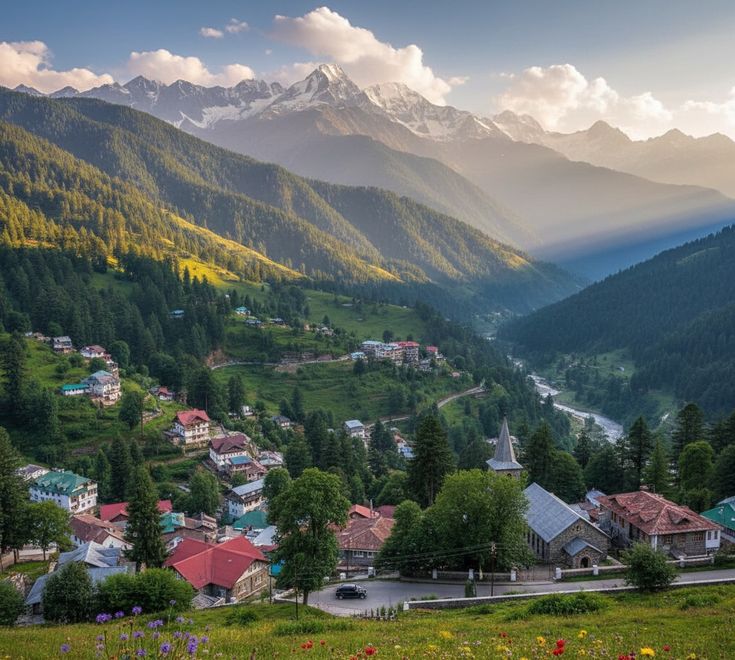
The Aesthetic: A Living Postcard
Dalhousie is spread across five hills. Unlike many cramped hill stations, it feels spacious. You’ll spend a lot of time walking on “Mall Roads” that aren’t just for shopping—they are scenic loops (like the Bakrota Hills path) where the only sounds are your footsteps and the wind in the deodar trees.
The “Mini Switzerland” (Khajjiar)
About an hour’s drive away is Khajjiar. It’s a massive, saucer-shaped meadow surrounded by dense forest with a small lake in the middle.
- The Reality: On a quiet day, it’s breathtakingly beautiful. On a crowded weekend, it can get a bit noisy with tourists, but the scale of the greenery against the backdrop of the Himalayan peaks is still something that stops you in your tracks.
The Peak Experience: Dainkund
If you want to feel small (in the best way possible), you head to Dainkund Peak. It’s often called the “Singing Hill” because the wind blowing through the trees creates a musical hum. From the top, you get a 360-degree view of the entire valley. On a clear day, you can see the river Beas snaking through the distance like a silver thread.
The Vibe: Slow and Quiet
People don’t usually go to Dalhousie to party. They go to:
- Read a book on a wooden balcony while the mist rolls in.
- Visit old churches: St. John’s and St. Francis’ churches look like they were plucked straight out of the English countryside and dropped into the Himalayas.
- Eat simple: While there are fancy cafes, the joy here is a hot plate of Maggi or a cup of tea while looking at the snow-capped Pir Panjal range.
Chamba: The Cultural Anchor
Many people use Dalhousie as a base to visit Chamba, an ancient town nearby. It’s famous for its unique stone temples and “Chamba Rumals” (exquisite hand-embroidered handkerchiefs). It adds a layer of deep Indian history to the otherwise British-feeling landscape of Dalhousie.
Is it right for you?
- Go to Dalhousie if you want to disappear into the woods, take long walks with someone you love, and pretend the 21st century doesn’t exist for a few days.
- Go to Dharamshala if you want cafes, monks, trekking, and high-energy culture.
Dalhousie’s tourist spots are great for a relaxing vacation.
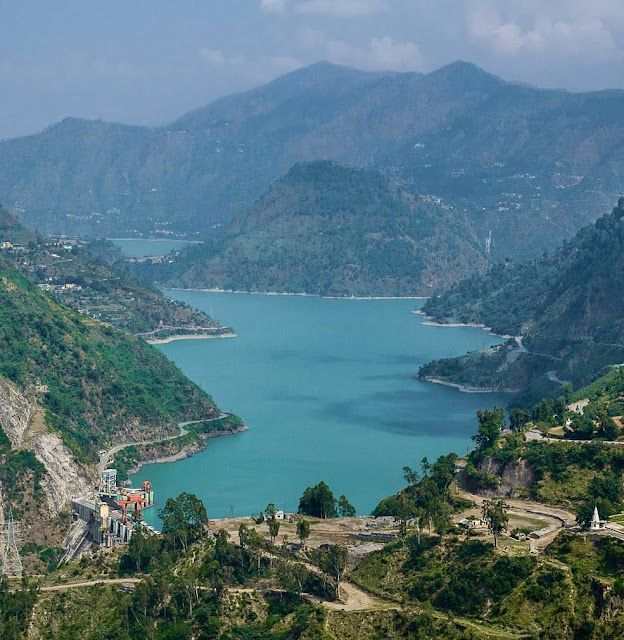
Khajjiar Kalatop Sanctuary Chamera Lake
Famous for its British-style buildings and beautiful views.
5. Spiti Valley: Beautiful Cold Desert
Spiti Valley is otherworldly. It is often called “Little Tibet,” but even that doesn’t quite capture it. It’s a high-altitude cold desert where the landscape looks more like the surface of the moon than anywhere else on Earth.
Here is what Spiti feels like in human words:
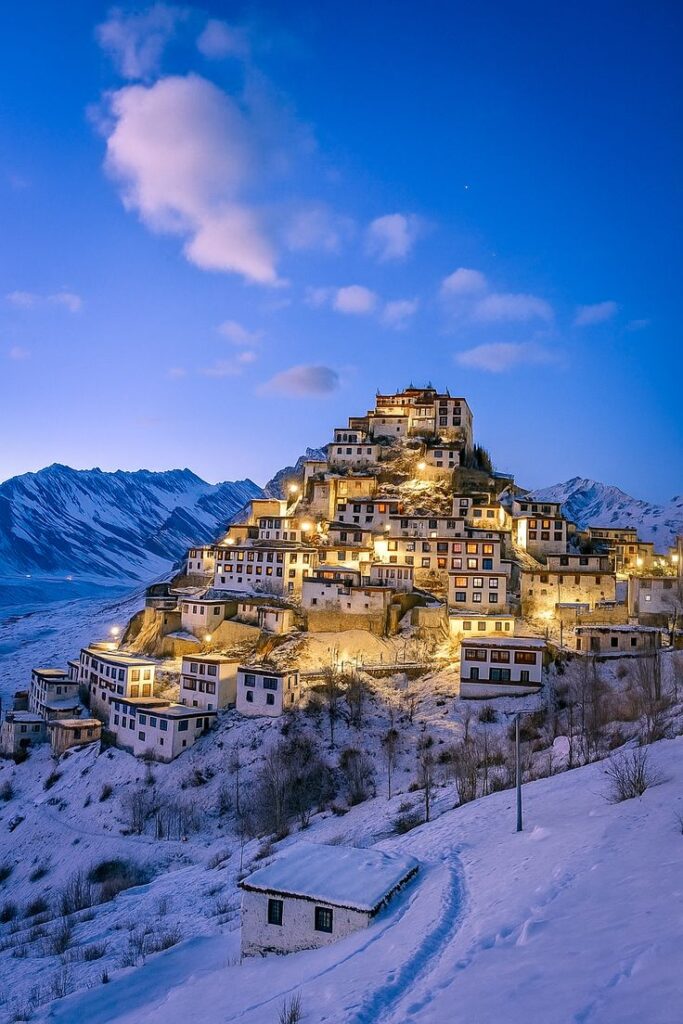
The Harsh Beauty
Spiti is raw. There are no lush green forests here; instead, you get vast, sweeping valleys of grey and purple rock, stark brown mountains, and a sky so blue it looks painted.
- The Silence: Because it’s so sparsely populated, the silence is heavy. You can hear the wind whistling through the canyons and the distant roar of the Spiti River down below.
- The Scale: Everything is massive. You’ll find yourself driving for hours on narrow, winding roads carved into the sides of giant cliffs, feeling very, very small.
A Fortress of Culture
Because it’s cut off from the world by heavy snow for six months of the year, the culture is incredibly preserved.
- Monasteries: Places like Key Monastery look like something out of Game of Thrones—white-washed buildings stacked on top of a hill like a honeycomb.
- The People: Life is hard in Spiti, yet the people are some of the warmest you’ll ever meet. They live by the philosophy of “Atithi Devo Bhava” (The Guest is God) because, in such a harsh climate, looking out for one another is a survival trait.
The “High” Highlights
Spiti is home to several “highest in the world” markers that make you feel like you’re on the edge of the map:
- Hikkim: You can send a postcard from the highest post office in the world. It’s a tiny room where a postman manually stamps your mail before it begins its long journey down the mountains.
- Komic: One of the highest inhabited villages connected by a motorable road. It feels like the roof of the world.
- Chicham Bridge: A terrifyingly beautiful bridge suspended over a deep gorge—it’s a marvel of engineering in the middle of nowhere.
The Vibe: Adventure and Isolation
Spiti isn’t a “vacation” in the sense of luxury; it’s an expedition.
- Connectivity: Forget 5G. In many parts, you won’t even have a signal. You’re forced to talk to the people around you and look at the stars (which, by the way, are so bright you can see the Milky Way with the naked eye).
- Resilience: You eat what’s available—mostly local barley (tsampa), thukpa, and butter tea. It’s simple, hearty food meant to keep you warm.
Is it right for you?
- Go to Spiti if you are okay with bumpy roads, basic homestays, and thin air, all for the sake of seeing a landscape that will fundamentally change how you view the world.
- Skip it if you prefer luxury hotels, air conditioning, and a predictable itinerary.
Tourism in Spiti Valley is great for people who love adventure and going off the beaten path.
Key Monastery, Chandratal Lake, and Pin Valley
Known for its beautiful landscapes and deserts at high altitudes.
