
What is Digital Marketing?
Digital marketing can be defined as the application of electronic communication technology to market goods or services. It incorporates the use of various means such as social networks, search engines, e-mail, and web sites. In the current environment, companies depend on Digital Marketing Strategies 2026 for effective promotion of their brands and products.
Digital marketing is the practice of promoting brands, products, or services through digital channels like search engines, social media, email, and mobile apps.
In 2026, the field has evolved from “doing digital” (posting content and running ads) to building integrated AI-driven systems that focus on high-precision personalization and measurable business impact.
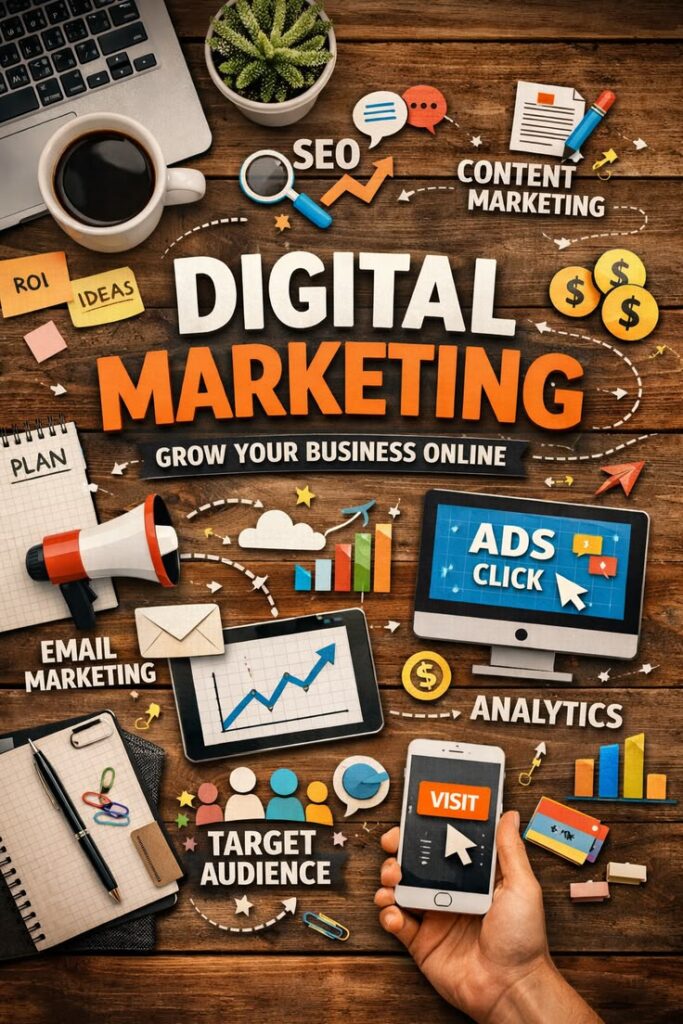
Core Pillars of Modern Digital Marketing
To understand how it works today, look at these foundational elements:
- Generative Engine Optimization (GEO): This is the next evolution of SEO. Instead of just ranking for keywords on Google, brands now optimize content to be cited by AI search tools (like ChatGPT or Google’s AI Overviews) as a credible source.
- Hyper-Personalization: Marketers use real-time AI signals to tailor every part of the customer journey—from email subject lines to website layouts—based on specific user behavior.
- First-Party Data Strategy: With the decline of third-party cookies, “owned” data (emails, CRM info, and loyalty program data) has become the most valuable currency for building long-term customer trust.
- Omnichannel Integration: Success isn’t about being on every platform; it’s about creating a seamless experience where a brand’s message is consistent across social media, websites, and even AR-driven virtual try-ons.
1. Artificial Intelligence in Digital Marketing and Automation
Another Digital Marketing Trends 2026 involves Artificial Intelligence in Digital Marketing. AI makes it easier to analyze consumer behaviors and generate personalized campaigns.
Marketing Automation Tools can help companies to:
Automate emails and ads
Better targeting using Data-Driven Marketing
In 2026, Artificial Intelligence (AI) has moved from being a “cool feature” to the actual operating system of digital marketing. Automation is no longer just about scheduling emails; it’s about agentic workflows—AI systems that can plan, execute, and optimize entire campaigns with minimal human intervention.
The Shift to Agentic Marketing Automation
The biggest change this year is the rise of AI Agents. Unlike traditional automation that follows a set of “If This, Then That” (IFTTT) rules, these agents can understand complex goals and self-correct.
- Self-Optimizing Campaigns: Tools like Google Flow and Meta AI now automatically pause low-performing ads and reallocate budgets in real-time based on predictive performance.
- Predictive Lead Scoring: AI platforms like Marketo (Adobe) and Pardot now use machine learning to predict which leads are most likely to convert before they even talk to a human, allowing sales teams to prioritize high-value prospects.
Generative Content Automation
Generative AI (GenAI) has scaled from text to high-fidelity video and immersive experiences, reducing production time from weeks to minutes.
- Video-as-a-Service: Marketers use tools like Sora and Kling to generate cinematic ad spots from text prompts, while HeyGen creates personalized video messages with lifelike AI avatars.
- Multi-Platform Scaling: A single blog post can now be automatically transformed into a full campaign including podcasts, social carousels, and even interactive AR filters using tools like Jasper and Canva AI.
🔍 Search & Data Intelligence
Traditional SEO is being replaced by GEO (Generative Engine Optimization) and real-time sentiment analysis.
- Conversational Search: Marketers are shifting focus from keyword-stuffing to creating high-depth content that AI search engines (like SearchGPT) can use to answer user queries directly.
- Sentiment & Voice of Customer (VoC): Platforms like Revuze and Brandwatch analyze millions of reviews and social comments to provide “emotional insights,” telling brands exactly how customers feel about a product launch within hours.
🛠 Essential AI Tool Stack for 2026
| Function | Recommended Tools | Key Benefit |
| Automation & Ops | Gumloop, Make.com | Connects disparate apps into autonomous workflows. |
| Copy & Strategy | ChatGPT, Claude, Jasper | Brainstorming, drafting, and multi-tone content. |
| Video & Creative | Sora, Leonardo.ai, HeyGen | Rapid visual prototyping and ad generation. |
| SEO & Analysis | Surfer SEO, SEMrush, Brandwatch | Market intelligence and AI-engine optimization. |
The Human Role: In 2026, the marketer’s job has shifted from “execution” (sending emails, adjusting bids) to “Strategic Oversight.” Success now depends on your ability to give AI the right data, set the right constraints, and ensure the brand remains authentic.
Personalize the campaign in Marketing
-This will make your Online Marketing Strategies better.
2. Video Marketing Strategy and Short-Form Content
Short videos have taken over social media. Instagram Reels and YouTube Shorts are crucial in any Content Marketing Strategy.
Benefits of Video Marketing Strategy:
Increased engagement
Brand visibility
As of 2026, short-form video is no longer just a trend—it is the default way consumers discover brands. The strategy has shifted from “going viral” to a hub-and-spoke model, where one high-quality piece of content is atomized into dozens of platform-specific clips.
Short-Form Content: The “Discovery Engine”
Short-form video (15–90 seconds) drives the highest engagement rates, with viewers 2.5x more likely to finish a short clip than a long one.
- The 3-Second Rule: Most users decide to stay or swipe within the first 3 seconds. Use “pattern interrupts” like surprising facts, contrarian statements, or visually dynamic “hooks” to stop the scroll.
- Vertical-First (9:16): Horizontal video is no longer the default. Create content specifically for vertical viewing with centered framing, as text and UI overlays on TikTok/Reels can cut off the edges of your video.
- Platform Personalities: * TikTok: Rewards authenticity and personality over high production value. Think “unscripted” and “behind-the-scenes.”
- Instagram Reels: Best for polished, lifestyle, and aspirational content.
- YouTube Shorts: Acts as an educational hub that funnels viewers to your long-form channel.
Shoppable & Interactive Video
The “frictionless” shopping experience is a massive growth driver in 2026.
- Shoppable Tags: Platforms like TikTok Shop and Instagram allow users to buy directly from the video player.
- Live Commerce: Real-time Q&A and product launches on YouTube Live or LinkedIn Live foster immediate community building and sales.
- Interactive Elements: Use embedded polls, quizzes, and clickable hotspots to turn passive viewers into active participants.
AI-Powered Production Strategy
AI has moved from a “fun tool” to a production baseline.
- Repurposing Gold: Tools like OpusClip or Visla automatically extract viral-worthy moments from long podcasts or webinars, adding “burned-in” captions and dynamic transitions.
- AI Avatars & Voice: Use voice cloning and AI avatars to localize your videos into multiple languages or create consistent “presenters” without a full camera crew.
- SEO for Video: Younger audiences use TikTok and YouTube as search engines. Optimize your titles, descriptions, and on-screen text for searchability.
Strategic Content Framework: Hook-Hold-Reward
| Stage | Timing | Goal | Action |
| Hook | 0–3s | Stop the scroll | Visual surprise or “Did you know?” hook. |
| Hold | 3–45s | Deliver value | Scene changes every 2–4 seconds to keep attention. |
| Reward | End | Drive action | A clear “What’s next?” (e.g., “Link in bio” or “Follow for Part 2”). |
Pro Tip: Don’t chase every trend. In 2026, authenticity beats polish. Sharing a “lesson learned” or a raw behind-the-scenes moment often builds more trust than a high-budget commercial.
Higher conversion rates
– This is the best online marketing strategy for newbies.
3. Voice Search Optimization and SEO Trends
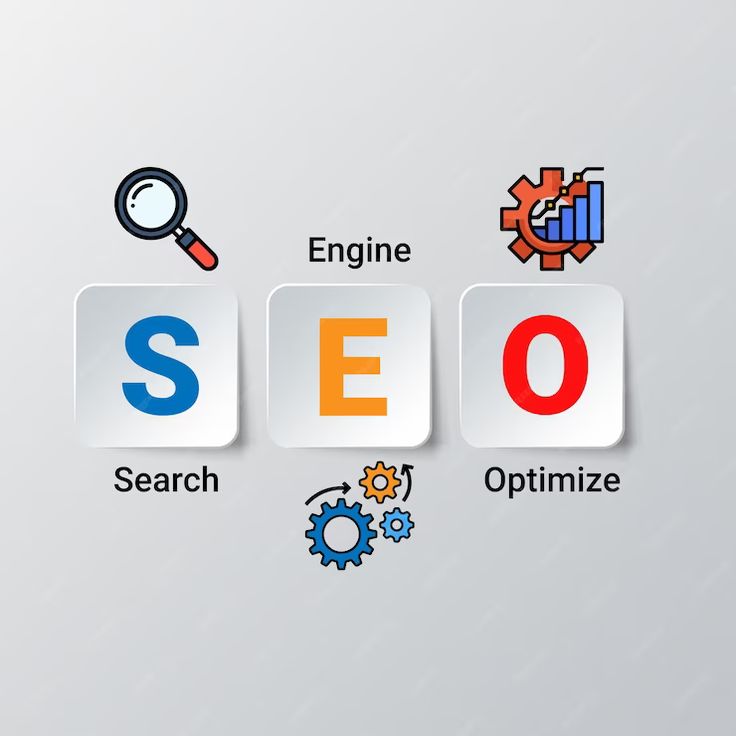
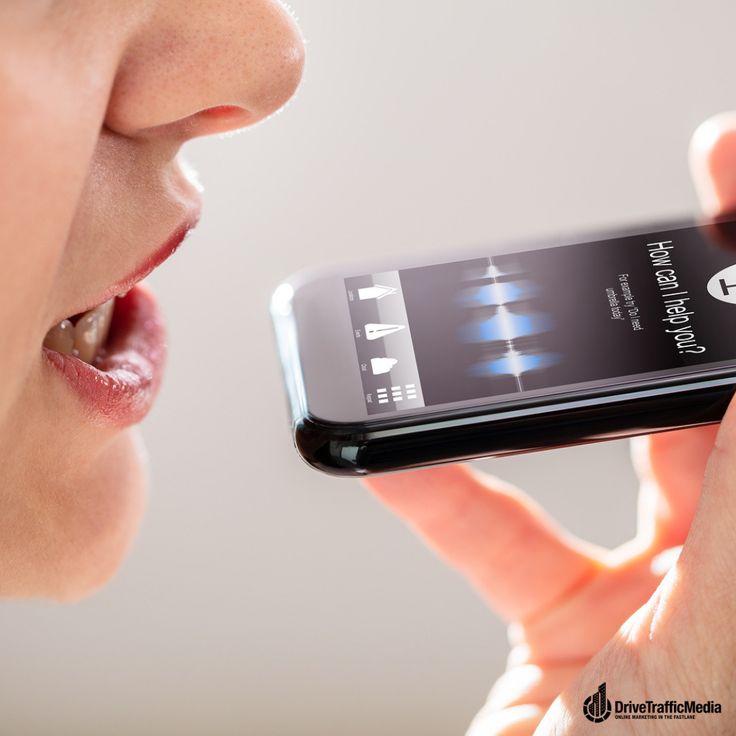
Because of the increase in smart devices, Voice Search Optimization becomes important when talking about SEO Trends 2026.
Online Marketing Strategies should involve:
Focusing on conversational keywords
Answering users’ questions directly
Local optimization
As of 2026, the boundary between “searching” and “conversing” has nearly disappeared. With the proliferation of AI assistants and smart home devices, Voice Search Optimization (VSO) and SEO have merged into a single discipline: Answer Engine Optimization (AEO).
🎙️ The Rise of Conversational Search
People don’t speak like they type. Voice queries are longer, more natural, and usually phrased as complete questions.
- Natural Language Processing (NLP): Modern SEO focuses on semantic meaning rather than just exact-match keywords. Search engines now understand the intent behind phrases like “Where can I get a coffee nearby?” versus “Coffee shops open now.”
- Question-Based Content: Strategies now prioritize answering the 5 Ws (Who, What, Where, When, Why). Content structured as a “direct answer” to a common question has a much higher chance of being read aloud by a voice assistant.
- Long-Tail Keywords: Voice searches are typically longer and more specific. Instead of “best laptop,” a voice user says, “What is the best laptop for video editing under $1500 in 2026?”
🔍 Key SEO Trends for 2026
Traditional ranking factors are being superseded by Authority and User Experience.
- Generative Engine Optimization (GEO): This is the biggest shift in a decade. It involves optimizing your website so that Generative AI models (like Google’s Gemini or SearchGPT) include your brand in their summarized answers.
- Zero-Click Searches: More than half of all searches now end on the search results page. Marketers are using Schema Markup (structured data) to provide “rich snippets” that answer users immediately, building brand authority even without a website visit.
- Local SEO & “Near Me” Queries: For voice search, local relevance is king. Ensuring your Google Business Profile is updated and has high-quality reviews is essential for appearing in “near me” voice results.
- Visual Search Integration: Users now “search with their eyes” using tools like Google Lens. SEO now includes optimizing images with descriptive alt-text and high-resolution metadata to capture traffic from visual queries.
🛠️ Strategic Optimization Checklist
| Feature | Optimization Tactic | Why It Matters |
| Site Speed | Target sub-1-second load times. | Voice assistants prioritize the fastest responding pages. |
| Featured Snippets | Use bulleted lists and concise paragraphs (40-60 words). | This is the “Position Zero” source for most voice answers. |
| Schema Markup | Implement “Speakable” and “FAQ” schema. | Helps AI engines identify which parts of your page are best for audio playback. |
| Mobile UX | Ensure a “thumb-friendly” and responsive design. | Most voice searches happen on mobile devices while on the move. |
The 2026 Rule: If a human can’t understand your content when it’s read aloud, an AI assistant won’t recommend it. Focus on clarity, brevity, and authority.
– This follows the theme of How AI is changing digital marketing and search behavior.
4. Influencer Marketing 2026
Authenticity is at the core of influencer marketing, which goes under the umbrella of the Future of Digital Marketing.
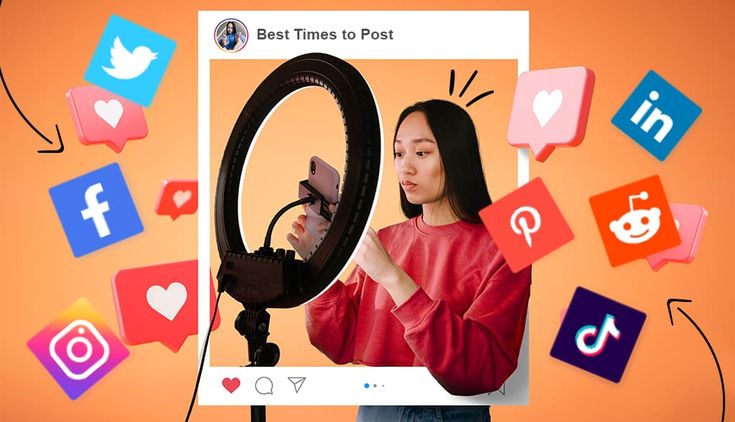
n 2026, influencer marketing has moved past the “celebrity ad” phase. It’s no longer about a famous person holding a product; it’s about “Comfort Creators”—regular people who have built deep, quiet trust with a small, specific group of friends and followers.
Think of it as word-of-mouth that scales.
1. From “One-Night Stands” to “Long-Term Relationships”
The biggest change is the death of the one-off post. Audiences now see a single sponsored post as “fake.”
- The Trend: Brands are signing 6-to-12 month partnerships with creators.
- The Result: You’ll see the same person using a product naturally in their life over several months. This builds “trust density”—by the third time you see it, you actually believe they like it.
- Human Word: It’s like a friend who won’t stop talking about their new air fryer until you finally buy one too.
2. The Rise of “Comfort Creators”
People are tired of “hustle culture” and over-polished lifestyle influencers. 2026 is the year of the Comfort Creator.
- The Vibe: These creators post low-stress content: daily routines, honest “un-hauls” (telling you what not to buy), and realistic living spaces.
- Why it works: They feel like a relief from the noisy internet. When they recommend a brand, it feels like a helpful suggestion rather than a high-pressure sales pitch.
3. AI is the Intern, Not the Star
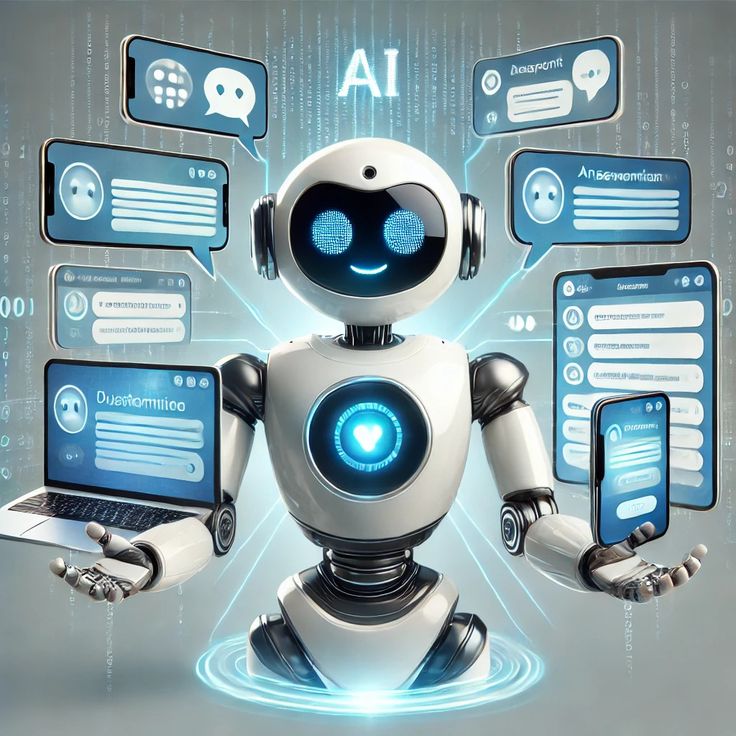
While 59% of marketers use AI, they aren’t using it to replace the humans.
- The Balance: AI is used behind the scenes to find the perfect creator or edit videos faster. However, audiences are actively rejecting “virtual influencers” or overly AI-generated videos.
- The Rule: If it doesn’t have a human soul or a “lived experience,” people don’t buy it. AI handles the “boring” work so the creator can focus on the “human” storytelling.
4. Discovery via “Social Search”
In 2026, TikTok and YouTube have replaced Google for many.
- The Strategy: Instead of looking for “best hiking boots” on a search engine, people search for it on social media to see a real human wearing them.
- The Change: Influencer captions are now written like search results (SEO), focusing on keywords so they show up when you’re looking for advice.
- 2026 Influencer Quick Stats
| Metric | 2026 Reality |
| Who Brands Want | Nano and Micro-influencers (1k–100k followers) are the priority. |
| The Primary Goal | Sales and “Saves” are more important than “Likes.” |
| Top Platform | Instagram leads for brand preference, but TikTok Shop is where the money is moving. |
| Budget Shift | 74% of brands are increasing their influencer spend this year. |
The 2026 Bottom Line: Influence is moving “into the dark”—meaning the most powerful marketing is happening in private Discord servers, WhatsApp groups, and niche communities where trust is the only currency.
Are you thinking about starting a creator program yourself, or are you looking at this from a brand’s perspective?
Key advantages include:
Improved audience engagement
Increased brand trustworthiness
High ROI over advertising
– Additionally, this is among the Top digital marketing strategies for small businesses 2026.
5. First-Party Data Strategy and Emphasis on Privacy
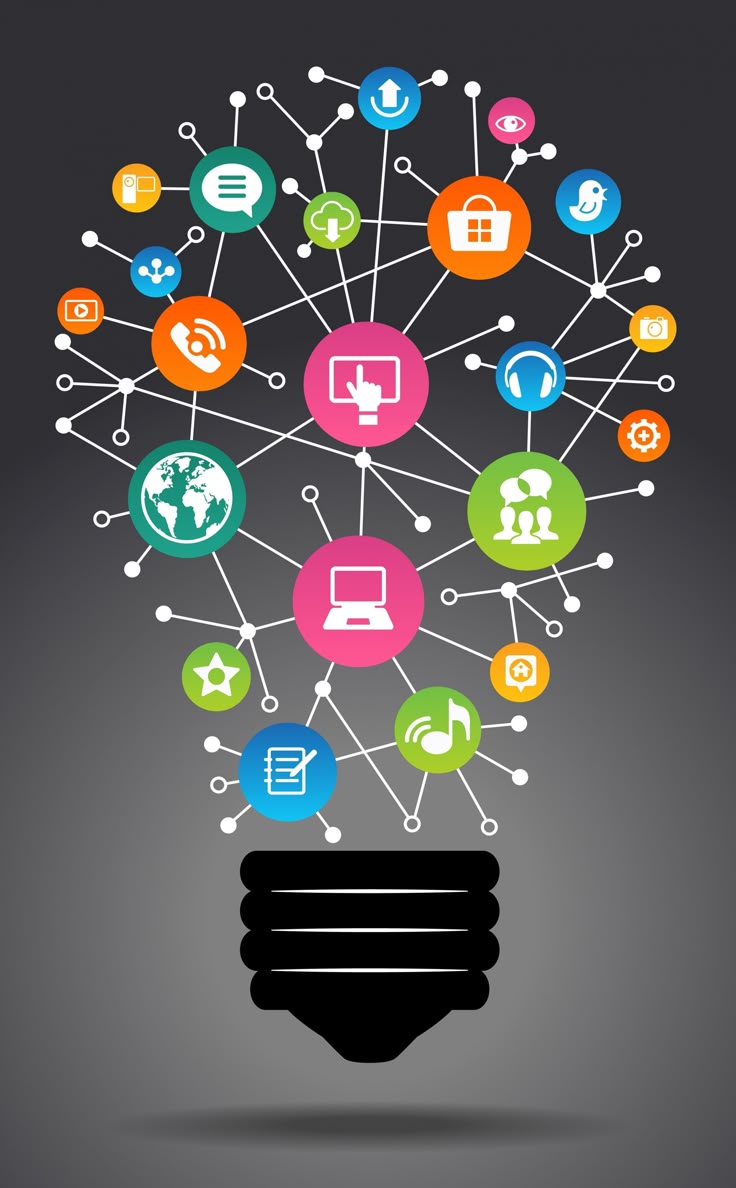
Given privacy updates, implementing a First-Party Data Strategy becomes essential in Digital Marketing Strategies 2026.
Strategies for 2026.
These are some of the strategies to adopt:
Email marketing lists
CRM systems
Data-Driven Marketing techniques
All these must be adopted for growth through digital marketing in 2026.
The era of “creepy tracking” is over in 2026. What this means is that we have moved from third-party data, where you pay money for the data of someone you do not know from data brokers, to first-party data, where you build actual connections with people who can interact with you.
Human translation: In the former case, you stalk your target, while in the latter, you ask your target politely.
1. The “Value Exchange” (The New Contract)
In the past, brands took your data for free. In 2026, data has a price. To get a user’s email or preferences, brands must offer something immediate and tangible in return.
- The Trend: “Give-to-Get” marketing.
- The Action: Instead of a generic pop-up, a brand might offer a highly personalized AI-generated style guide or early access to a limited drop in exchange for a few preference details.
- Human Word: It’s like a “digital handshake.” If you give me your name, I’ll give you something you actually value.
2. Zero-Party Data: Just Asking
While first-party data is what you observe (like what someone bought), zero-party data is what the customer tells you.
- The Strategy: Interactive quizzes, preference centers, and polls.
- Why it works: It’s the most accurate data because it comes straight from the source. It respects user agency by letting them decide what you should know about them.
- Example: A coffee brand asking, “Do you prefer light or dark roast?” rather than trying to guess based on your clicks.
3. Privacy as a Feature, Not a Legal Chore
Privacy used to be a boring paragraph at the bottom of a website. In 2026, privacy is a selling point.
- Radical Transparency: Brands are using “Choice Hubs” instead of complex privacy policies. They use plain language to explain: “We collect your location to find the nearest store, and we delete it every 30 days.”
- Privacy-First Tech: Companies are moving data into CDPs (Customer Data Platforms) which are designed to keep info safe and compliant with global laws like GDPR and CCPA.
- The Rule: If a customer feels “watched” rather than “seen,” they’ll leave.
The 2026 Data Hierarchy
| Data Type | Trust Level | How It’s Collected |
| Zero-Party | 🌟 Highest | You ask; they tell (Quizzes, Polls). |
| First-Party | ✅ High | You observe on your site (Purchase history, Clicks). |
| Third-Party | ❌ Low/Dead | Bought from others (Cookies, Data brokers). |
The 2026 Bottom Line: The best marketers are now “Great Listeners.” By focusing on first-party data, brands aren’t just following the law—they’re building a foundation of trust that makes customers want to stay.
Conclusion:-
In order to succeed using Digital Marketing Strategies 2026, businesses will have to adjust to new developments and trends. From AI in Digital Marketing to Voice Search Optimization and Influencer Marketing 2026 – all of this makes up the Future of Digital Marketing.
